
Wood Rot Repair: Why We Replace Rotten Wood Instead of Filling It With Epoxy
Wood rot is not simply old wood, cosmetic damage, or a soft spot that needs to be filled. It is wood decay caused by fungus.
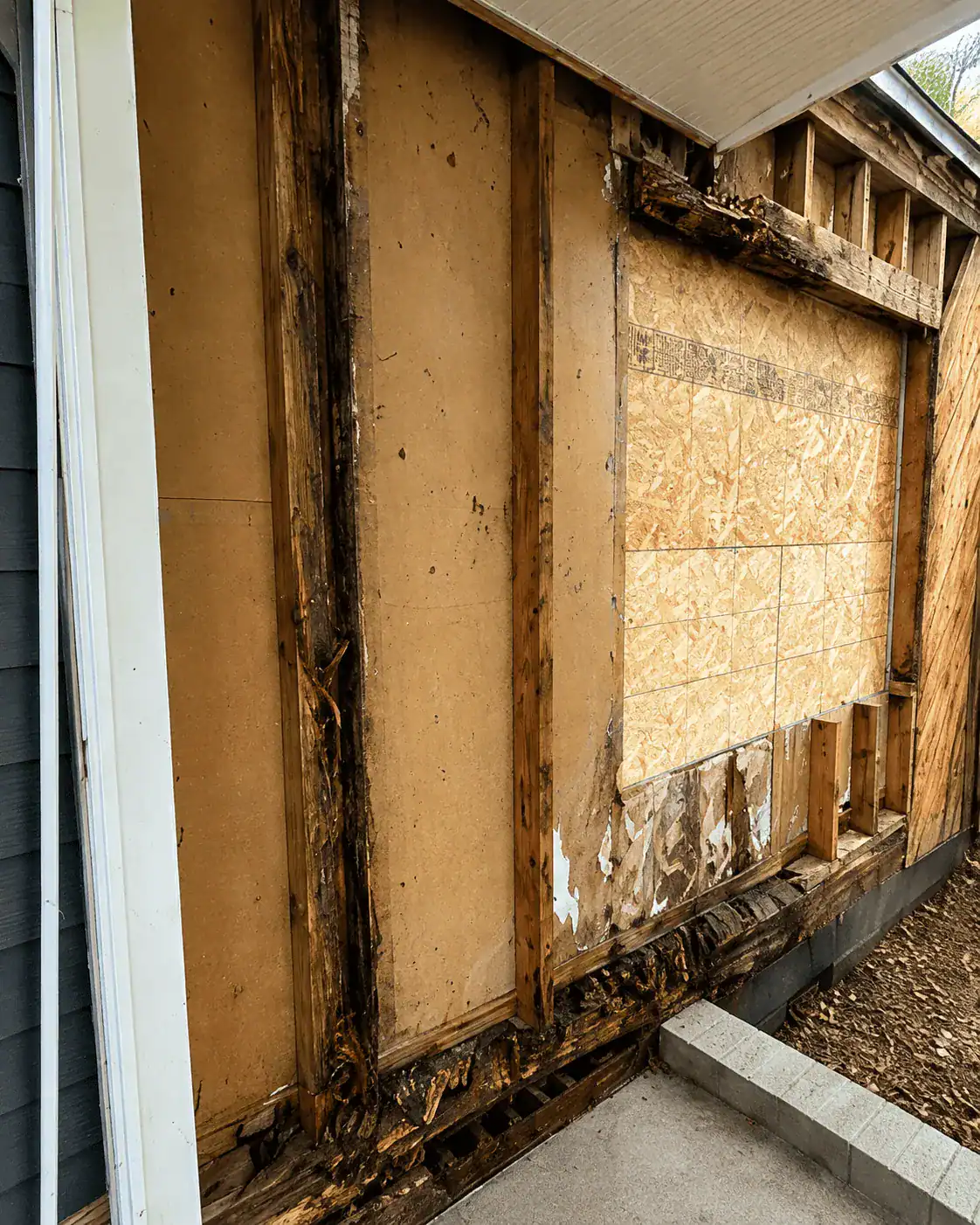
When wood remains damp, wood-decaying fungi begin breaking down the cellulose and lignin that give wood its strength and structure. By the time the surface feels soft, flakes apart, or gives way under a screwdriver, the wood has already lost part of what made it dependable.
That is why our approach at YourHandymanAtlanta is straightforward: find the moisture source, remove the compromised wood, and replace the damaged material with something sound.
Some contractors take a different approach. They scrape away the loose material, apply wood hardener, pack the area with epoxy, sand it, and paint it. That method can look acceptable when the job is finished, and it may cost less initially.
But making damaged wood look solid is not the same as restoring it with sound material.
Wood Rot Is a Fungus and Moisture Problem
Wood rot begins with moisture. Leaking gutters, failed caulk joints, roof or flashing problems, poorly sealed windows and doors, plumbing leaks, and exposed end grain can all allow wood to remain wet.
Once conditions are favorable, fungi consume the wood’s cellular structure. The wood gradually loses density, stiffness, and strength.
Paint does not reverse that process. Epoxy does not turn decayed wood back into healthy wood. A filler may occupy the space where good wood used to be, but it does not restore every compromised fiber around or behind the repair.
The first step in a lasting repair is therefore not choosing a filler. It is identifying why the wood got wet and determining how far the deterioration extends.
The Problem With Using Epoxy as the Main Repair
Epoxy has legitimate uses. It can be appropriate for a small, localized, nonstructural defect when the surrounding wood is dry and sound, the moisture source has been eliminated, and removing the piece would unnecessarily damage a valuable architectural feature.
That is very different from using epoxy to avoid replacing substantially rotted trim, siding, fascia, framing, or another building component.
The visible damage may not tell the whole story
Rot frequently extends farther than the soft area visible from the outside. An epoxy repair can fail when the filler is bonded to wood that appears firm at the surface but is weakened, damp, or deteriorating underneath.
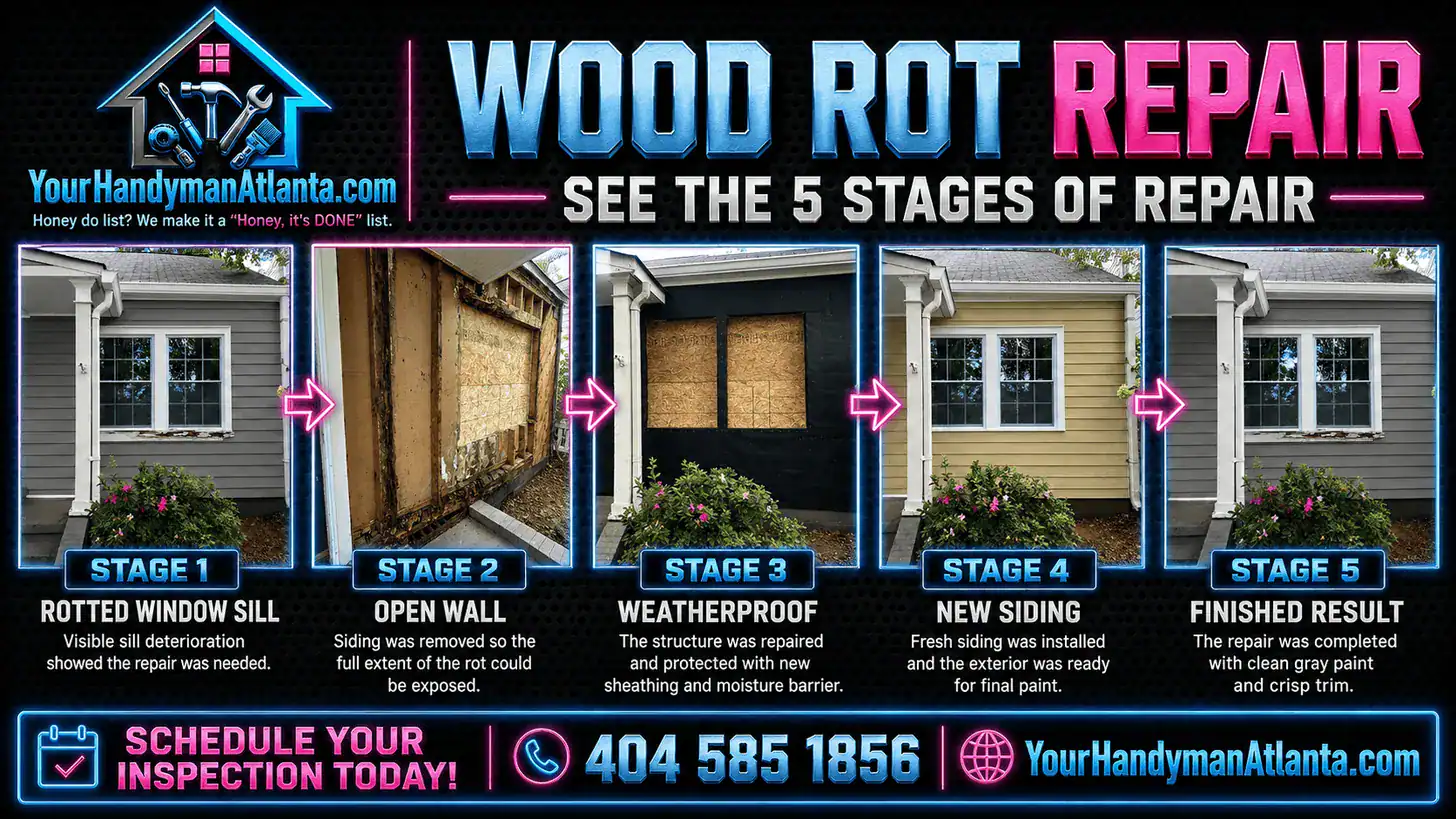
Removing the damaged section allows us to open the area, inspect what is behind it, and continue removing material until we reach dry, solid wood.
Epoxy can conceal an unresolved water problem
If the leak, failed joint, poor drainage, or missing flashing remains, moisture will return.
A smooth epoxy patch and fresh paint can conceal that moisture long enough for deterioration to continue around or behind the repair. The homeowner may not see the problem again until it has become larger and more expensive.
Epoxy and natural wood behave differently
Wood expands and contracts as temperature and moisture levels change. Epoxy and wood do not always move in the same way.
In an exterior area exposed to heat, rain, and seasonal movement, that difference can contribute to cracking or separation around the edge of the patch. Once that joint opens, water has another path inside.
Appearance is not proof of structural integrity
Epoxy can be shaped and painted to resemble wood, but a convincing surface does not prove that the surrounding wood can still perform its job.
That distinction matters around windows, doors, fascia, decks, railings, columns, framing, and other areas where strength, fastening, or weather resistance is important.
What a Proper Wood-Rot Repair Should Include
A dependable repair starts with the cause and ends with protection against the problem returning:
- Find the moisture source. Look for failed caulk, flashing defects, roof or gutter leaks, poor drainage, plumbing leaks, or another route for water intrusion.
- Determine the full extent of the damage. Probe and inspect beyond the obvious soft spot instead of assuming the visible boundary is the real boundary.
- Remove compromised material. Cut back to dry, solid wood rather than leaving questionable material behind a cosmetic patch.
- Correct the underlying problem. Replacing wood without addressing the source of the moisture simply starts the same cycle again.
- Install sound replacement material. Use properly selected and secured wood or, where appropriate, a rot-resistant alternative such as PVC.
- Seal, prime, paint, and maintain the repair. Protect cut ends, joints, fasteners, and exposed surfaces so water has fewer opportunities to return.
This process may require more labor and material than filling the surface. It also provides something a shortcut cannot: the opportunity to see what is damaged, remove it, and rebuild the area with material that can perform as intended.
Cheaper Is Not Better When You Have to Pay Twice
An epoxy repair often wins on the first estimate because less material is removed and replaced. But the cheapest proposal is only cheaper if the repair lasts and the hidden problem has actually been solved.
If rot continues behind a patch, the homeowner may later have to pay to remove the epoxy, replace a larger section of wood, repair the surrounding damage, and repaint the entire area.
In some cases, what began as a small trim repair can grow into damage involving sheathing, framing, windows, roofing components, or interior finishes.
That is the real cost of a shortcut: not simply doing the job twice, but allowing the problem time to spread between the first repair and the second.
As the saying goes, cheap work is not cheap when you have to pay for it twice.
Our Philosophy: Remove the Rot, Fix the Cause, and Rebuild It Right
At YourHandymanAtlanta, we do not believe in disguising substantial wood decay and calling it repaired.
We remove the compromised wood, investigate the moisture source, and rebuild the area with sound material. Where appropriate, we use PVC or another rot-resistant material to help prevent the same problem from returning in vulnerable exterior locations.
There may be rare situations where a limited epoxy restoration makes sense, particularly for a small, nonstructural defect in an architectural feature that cannot reasonably be replaced. But epoxy should be selected because it is genuinely the right repair for that specific condition, not merely because it is faster or produces the lowest initial price.
When fungus has consumed the wood, replacement is usually the most dependable answer.
It may not be the cheapest line on an estimate, but it is the better value when the goal is a repair that is honest, durable, and done right.
Have Soft Trim, Peeling Paint or a Suspicious Spot Around a Window?
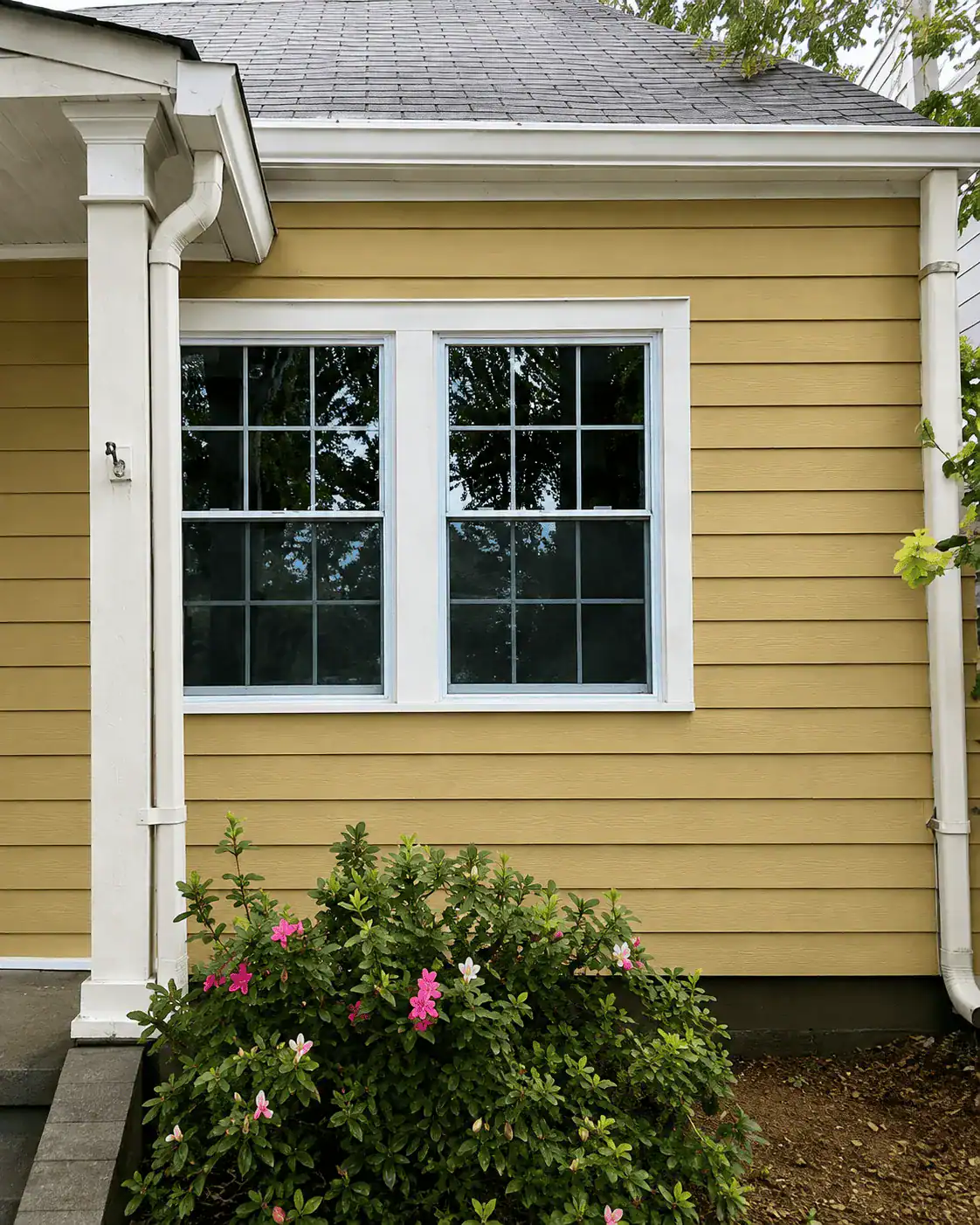
If you have soft trim, peeling paint, crumbling fascia, damaged siding, or a suspicious area around a window or door, contact YourHandymanAtlanta. We will look beyond the surface, explain what caused the damage, and recommend a repair designed to solve the problem, not just cover it up.
Read more about our wood rot repair service, see completed wood rot projects in our gallery, or check out 7 wood rot mistakes Atlanta homeowners make.
Request an estimate or call (404) 585-1856. We also offer a Monthly Maintenance Plan to help catch maintenance concerns before they become larger repairs.
Have Wood Rot That Needs Attention?
Book an appointment online, call or text, or send us an email. We’re happy to help. We typically respond within 15 minutes during normal business hours.