
7 Mistakes You’re Making With Wood Rot (and How to Fix Them Before They Spread)
Atlanta’s heat and humidity can be hard on a home, especially when exterior wood is exposed to repeated moisture.
Wood rot often starts quietly. You may notice peeling paint around a window, a soft section of trim, a cracked door jamb, or a deck board that suddenly feels a little different under your feet.
Those small warning signs are easy to ignore.
The problem is that what you can see from the outside may only be the beginning.
At YourHandymanAtlanta, we regularly open areas that appear to need a small cosmetic repair and discover deteriorated wood extending farther behind the trim, siding, window, door, or other exterior surface.
That is why the goal shouldn’t simply be to make wood rot look better.
The goal is to figure out why the wood became wet, determine how far the deterioration extends, remove the damaged material when necessary, and repair the area so the same problem is less likely to return.
Here are seven of the most common mistakes we see Atlanta homeowners make when dealing with wood rot, and what to do instead.
Quick Answer: Can Wood Rot Be Repaired?
Yes, but the right repair depends on how much of the wood has deteriorated and what caused it.
Very minor surface deterioration may sometimes be repairable. Once wood has become significantly soft, crumbly, structurally compromised, or deteriorated through a large portion of the material, replacement is generally a more reliable solution than covering the damage with filler, epoxy, caulk, or paint.
Just as importantly, the source of the moisture needs to be addressed.
Replacing rotten wood without solving the water problem can simply start the same process over again.
What Causes Wood Rot in Atlanta Homes?
Wood rot is caused by fungi that break down components of wood when conditions allow them to grow.
The ingredient homeowners have the most control over is moisture.
Atlanta homes can be exposed to plenty of it:
- Heavy rain
- High humidity
- Overflowing gutters
- Roof and flashing leaks
- Failed exterior caulk
- Damaged paint
- Poor drainage
- Sprinklers repeatedly hitting a house
- Water collecting on decks and horizontal trim
- Gaps around windows and doors
- Improperly installed exterior materials
A properly built and maintained exterior is designed to manage water.
Problems develop when water continually reaches an area that cannot dry properly.
That’s why we don’t approach wood rot as simply a carpentry problem.
We first want to know where the water came from.
1. Treating Peeling or Bubbling Paint Like a Cosmetic Problem
One of the earliest warning signs of wood rot can be paint that bubbles, cracks, flakes, or separates from exterior wood.
That doesn’t automatically mean the wood underneath is rotten.
But it does mean the area deserves a closer look.
The Mistake
A homeowner sees failing paint and immediately schedules painting.
The surface gets scraped, primed, and repainted.
Everything looks great again, but nobody checks the condition of the material underneath.
If moisture has already reached the wood, new paint may improve the appearance without addressing the underlying problem.
What to Do Instead
Before repainting damaged exterior wood, inspect it.
Look for:
- Soft areas
- Crumbling fibers
- Deep cracks
- Dark staining
- Gaps around joints
- Loose trim
- Movement around the window or door
- Areas that remain wet longer than surrounding surfaces
A small screwdriver or similar tool can sometimes help identify obviously deteriorated material. Healthy wood should generally resist light pressure; severely deteriorated wood may feel unusually soft or break apart easily.
If the material is compromised, repair the wood before repainting it.
Common Places We See This in Atlanta
Pay particular attention to:
- Window sills
- Window trim
- Door jambs
- Fascia boards
- Soffits
- Porch columns
- Chimney trim
- Deck framing
- Exterior siding and corner boards
2. Painting Over Rotten Wood
Once you know wood is deteriorated, another coat of paint isn’t a repair.
The Mistake
A soft area gets scraped, primed, and painted because the homeowner wants to stop water from getting in.
The intention makes sense.
But paint cannot restore wood that has already lost its integrity.
It may temporarily hide the visible damage while deterioration continues underneath.
What to Do Instead
Determine how far the damaged material extends.
Sometimes a small isolated section can be repaired.
Other times the trim or board needs to be partially or completely removed so the surrounding area can be inspected.
That distinction matters.
If we remove a rotten window sill and discover deterioration extending into the framing behind it, replacing only the sill would leave part of the problem behind.
The repair should stop when we reach sound material, not simply when the visible damage disappears.
3. Using Wood Filler or Epoxy as a Permanent Solution for Major Rot
Wood fillers, hardeners, and epoxies can be useful products.
The mistake is assuming they are appropriate for every rotten piece of wood.
The Mistake
A homeowner discovers a large deteriorated area and fills it with epoxy because removing and replacing the wood requires more work.
For tiny cosmetic defects in otherwise solid material, that approach may sometimes make sense.
For extensively deteriorated exterior components, it can turn into a repeated patching cycle.
This is especially concerning when the damaged material is part of a:
- Deck
- Stair
- Railing
- Door opening
- Window assembly
- Structural framing
- Porch
- Load-bearing component
What to Do Instead
Ask a more important question:
Is the remaining wood still sound enough to perform the job it was designed to do?
When a meaningful portion of the material has deteriorated, replacement is often the better long-term repair.
At YourHandymanAtlanta, our philosophy is straightforward:
We would rather replace damaged material properly than apply a one-year band-aid and leave deterioration behind.
Where appropriate, we may also replace exterior trim with PVC or another rot-resistant material rather than installing the same vulnerable material back into the same environment.
4. Repairing the Rotten Wood Without Fixing the Water Source
This may be the most important mistake on this list.
Wood rot is the damage. Moisture is usually the underlying problem.
The Mistake
The rotten board gets removed.
New wood goes in.
Everything gets painted.
Three months, six months, or two years later, the same area begins deteriorating again.
Why?
Because nobody asked why the original piece rotted.
Common Moisture Sources We Find
The source could be:
- A roof leak
- Failed flashing
- Overflowing gutters
- A missing drip edge
- Water running behind siding
- Failed window or door sealant
- Improperly directed downspouts
- Sprinklers hitting the house
- Water sitting on horizontal trim
- Poorly designed deck connections
- Exterior joints that allow water intrusion
What to Do Instead
Investigate first.
Repair second.
If a gutter is dumping water onto a fascia board, replacing the fascia without addressing the gutter isn’t solving the entire problem.
If water is getting behind a window, replacing a piece of trim without identifying the entry point may leave the new material exposed to the same conditions.
A good wood rot repair should address both the damaged material and the conditions that caused the damage whenever possible.
5. Replacing Rotten Wood With the Wrong Material
Repairing wood rot isn’t just about cutting a new board to the same dimensions as the old one.
Material selection matters.
The Mistake
Damaged exterior trim is replaced with whatever lumber happens to be readily available.
If that material isn’t suited for the location or isn’t properly protected, the repair can become vulnerable to the same problem again.
What to Do Instead
Choose the replacement material based on where and how it will be used.
Depending on the repair, appropriate materials may include:
- Properly rated pressure-treated lumber
- Naturally decay-resistant wood
- Exterior-rated trim
- PVC trim
- Composite materials
- Other products designed for exterior exposure
Material choice isn’t the only factor.
The repair should also be properly installed, fastened, sealed, primed, painted, flashed, or otherwise protected based on the application.
At YourHandymanAtlanta, we use PVC where it makes sense because it removes one more piece of vulnerable wood from areas that commonly experience moisture exposure.
6. Trying to Solve Existing Wood Rot With Caulk
Caulk is extremely important for protecting a home.
It is not a substitute for replacing rotten material.
The Mistake
A homeowner finds a gap or soft area around a window or door and covers the entire area with a large bead of caulk.
The assumption is:
If water can’t get in, the rot can’t get worse.
The problem is that moisture may already be inside the assembly.
Improperly applied sealant can also interfere with drainage paths that were designed to let water escape.
What to Do Instead
First determine:
- Is the wood still sound?
- Where is the water entering?
- Does the area need to drain?
- Is the existing caulk failing?
- Does damaged material need to be removed?
Then seal the appropriate joints after the underlying repair is completed and the area is ready to be sealed.
Caulk should be part of the water-management system, not something used to hide deterioration.
7. Waiting Until Wood Rot Becomes an Emergency
Wood rot is one of those repairs homeowners understandably postpone.
It doesn’t always leak into the living room.
It doesn’t necessarily stop a door from opening.
And if it’s outside, you may only notice it occasionally.
The Mistake
A small soft spot gets added to the mental list of:
“Things I’ll deal with later.”
The danger isn’t that every rotten board immediately becomes a major structural problem.
The danger is that you don’t know what’s happening behind it until someone investigates.
An isolated trim repair may remain isolated.
Or water may already have reached:
- Sheathing
- Framing
- Subfloor
- Window components
- Door framing
- Deck framing
- Siding
- Insulation
- Interior finishes
Finding out earlier usually gives you more options.
What to Do Instead
If you see something suspicious, inspect it before simply waiting for a more convenient season.
You don’t necessarily need to panic.
You do need to know what you’re dealing with.
Where We Most Commonly Find Wood Rot on Atlanta Homes
After years of working on homes throughout the Atlanta area, certain locations repeatedly deserve attention.
Window Sills and Window Trim
Windows contain multiple joints, transitions, and horizontal surfaces where water can collect.
Peeling paint around a window should never automatically be dismissed as cosmetic.
See our Window Repair services in Atlanta →
Door Jambs and Exterior Door Trim
The bottoms of exterior door jambs are particularly vulnerable because they’re close to porches, stoops, and other surfaces where rainwater can splash back against the house.
Fascia and Soffits
Fascia rot may point toward problems with gutters, roof edges, or water management above the damaged area.
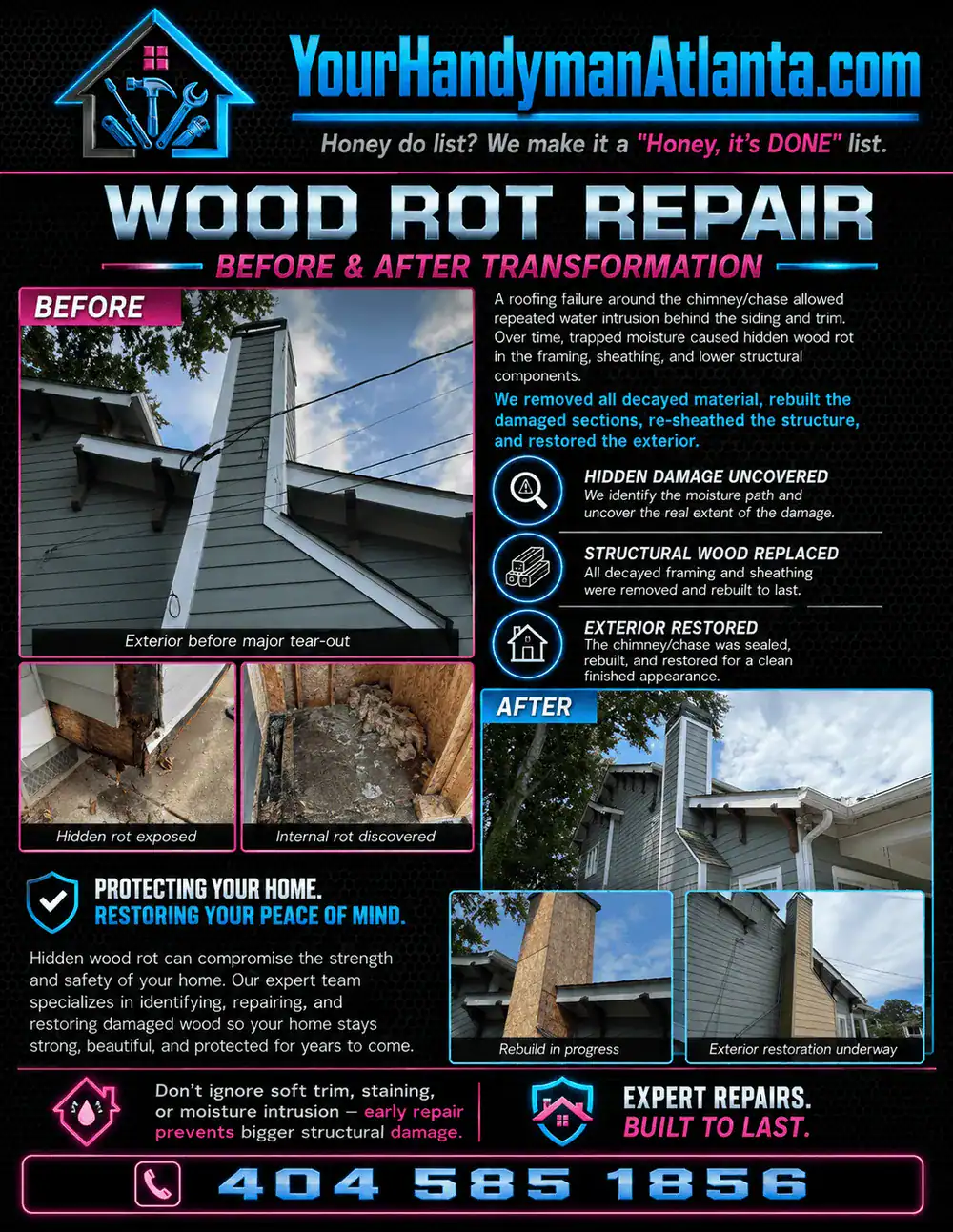
Chimney Trim and Siding
Chimneys have several transitions where roofing, siding, trim, and flashing meet.
A small visible problem can sometimes hide deterioration behind the exterior surface.
Decks and Railings
Deck boards are only part of the structure.
Posts, stairs, joists, railings, ledger connections, and framing deserve attention as well.
See our Deck Repair services in Atlanta →
Porch Columns and Exterior Trim
Horizontal surfaces and end grain exposed to repeated moisture can become vulnerable when paint, caulk, flashing, or other protective systems fail.
A Real Atlanta Wood Rot Repair: When a Window Leak Wasn’t Just a Window Leak
One of the biggest lessons we’ve learned repairing wood rot is that the first visible problem doesn’t always tell you the full story.
A client of ours, Brian, owned an Atlanta property while living far enough away that he couldn’t regularly inspect the home himself.
His tenant reported a window leak.
From a distance, that sounds like one problem:
Find the leaking window and repair it.
But once the property received a more thorough exterior evaluation and failing surfaces were exposed, the extent of the deterioration became much clearer.
Multiple window areas required attention.
That’s exactly why we don’t like approaching wood rot with the mindset of:
“Just patch what we can see.”
A property owner needs to know:
- Where is the moisture coming from?
- How far has the damage spread?
- Which material is still sound?
- What needs replacement?
- Can more durable material be used?
- Are there other similar areas showing the same warning signs?
For an owner managing a home from a distance, that thorough inspection is especially important.
The goal isn’t to create more work.
The goal is to give the homeowner an accurate picture of the property so they can make an informed decision.
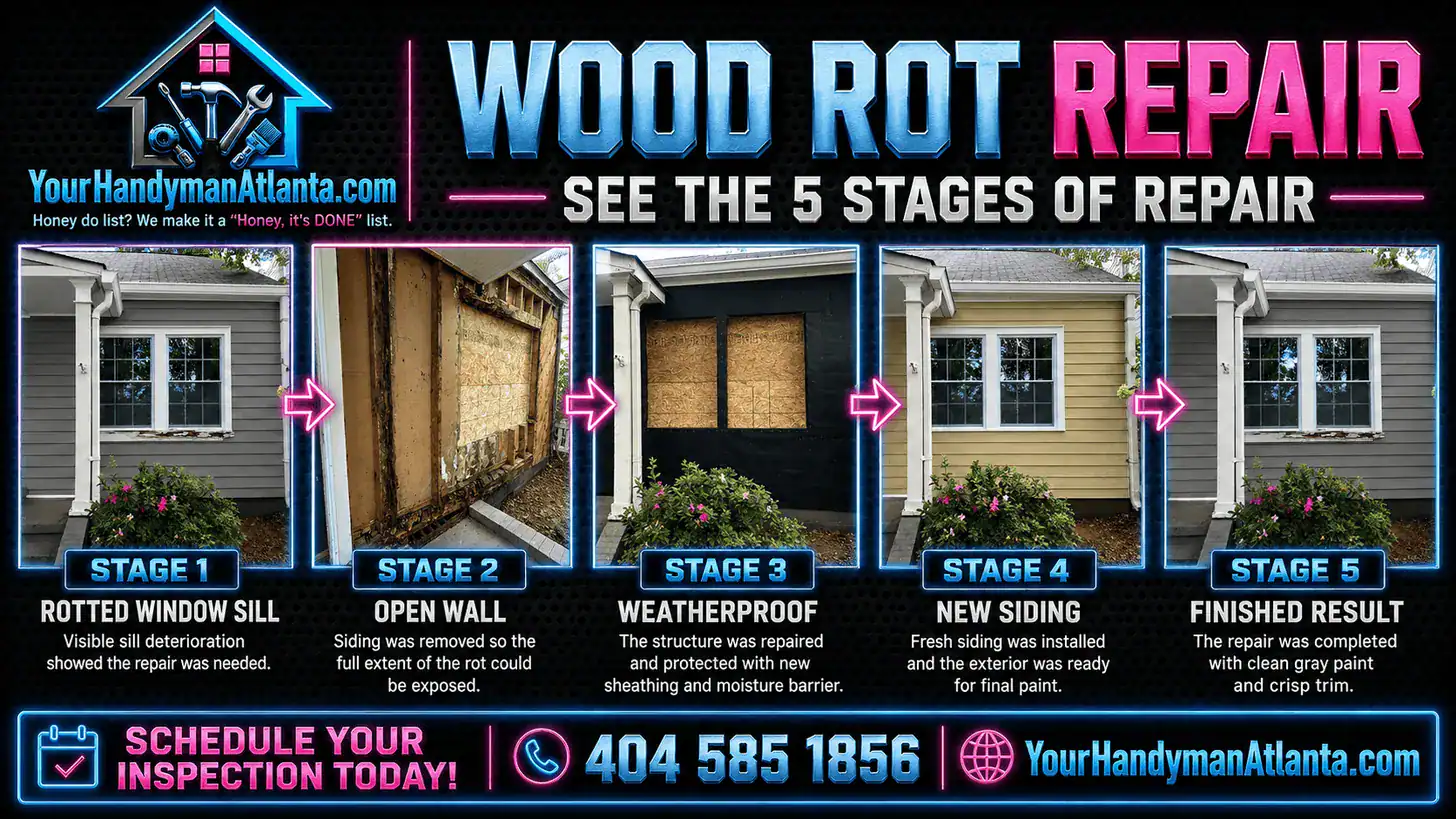
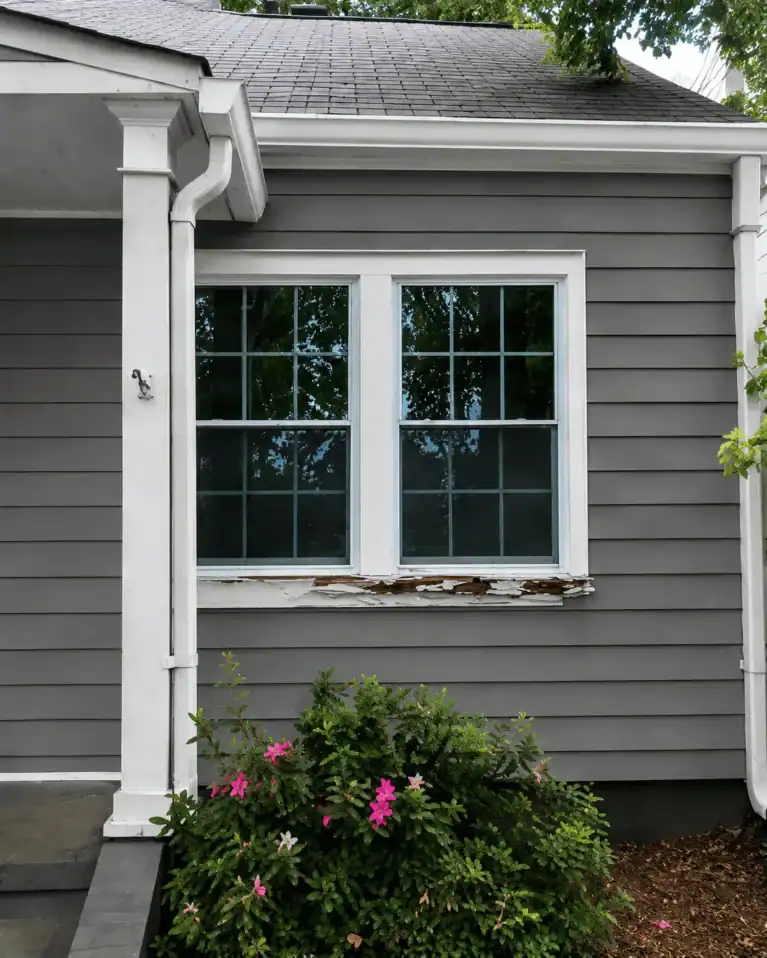
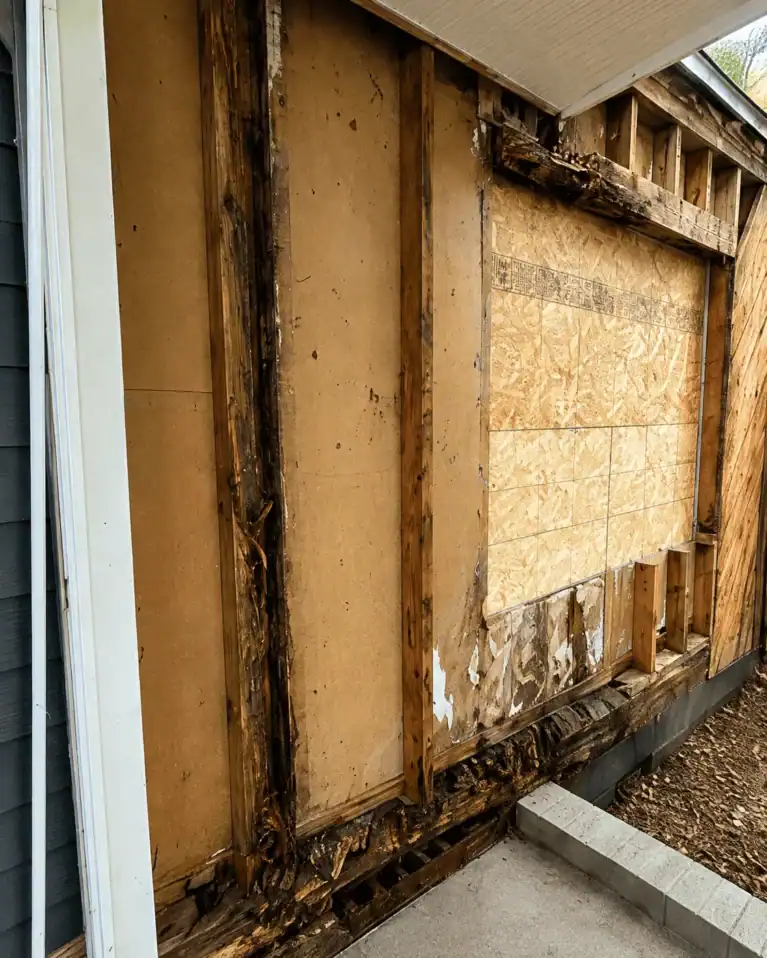
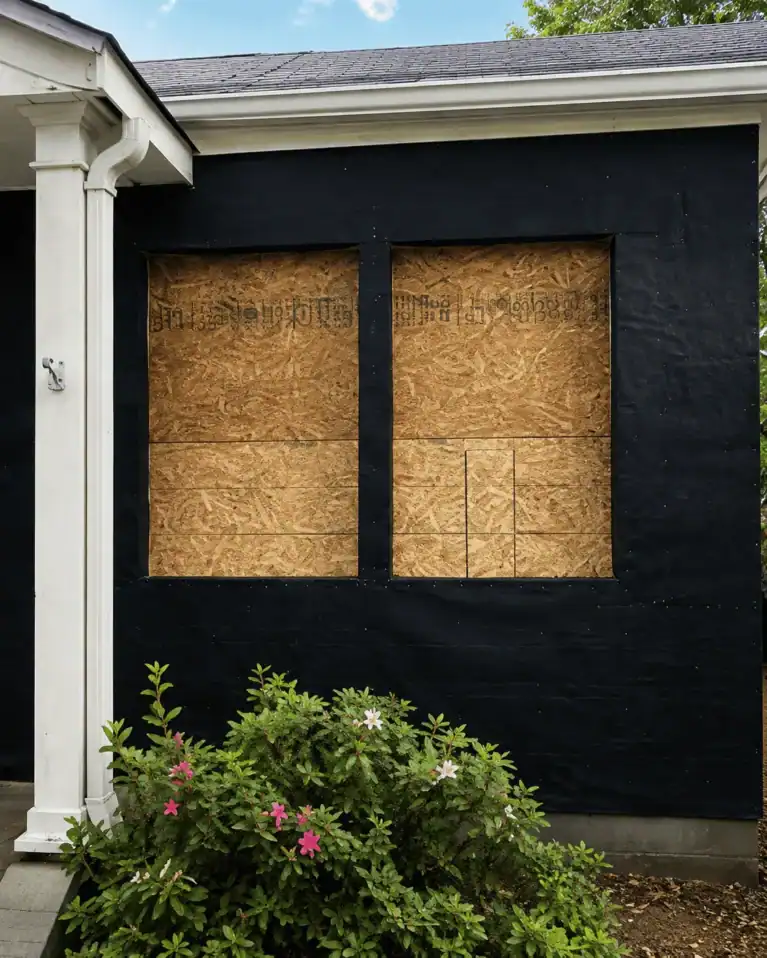
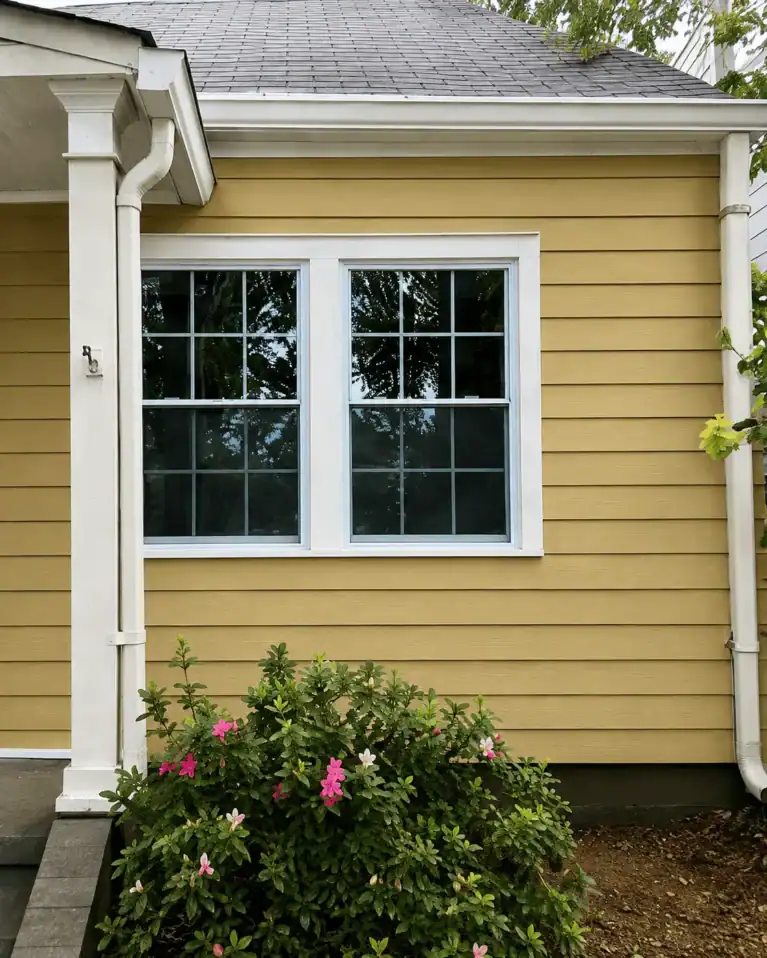
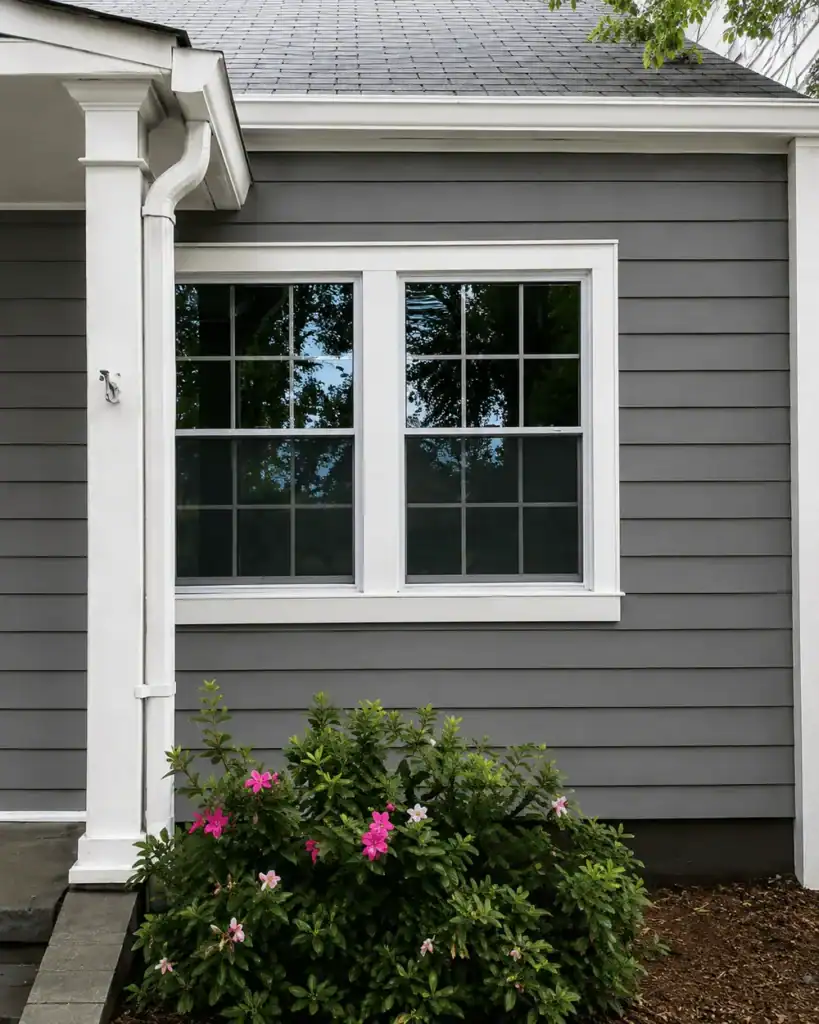
Below is an actual YourHandymanAtlanta repair where visible window-sill deterioration turned out to be much more extensive once the wall was opened.
How Can You Tell If Wood Is Rotten?
Wood rot isn’t always obvious.
Some common warning signs include:
- Wood that feels unusually soft
- Crumbling or fibrous material
- Peeling or bubbling paint
- Dark discoloration
- Deep cracking
- Trim pulling away from the house
- Repeated caulk failure
- Swollen exterior wood
- Persistent moisture
- Musty odors near affected areas
- Visible fungal growth
- Areas that can easily be penetrated with light pressure from a screwdriver
One warning sign doesn’t automatically prove you have extensive rot.
It does mean the area is worth investigating.
Can Rotted Wood Be Repaired Without Replacing It?
Sometimes.
The answer depends on the location, extent of deterioration, purpose of the wood, and moisture source.
A small cosmetic defect in nonstructural material isn’t the same thing as a rotten deck post or heavily deteriorated window framing.
Products such as wood hardeners and epoxy can have appropriate uses.
But when exterior wood has lost a substantial amount of its integrity, replacing the compromised material is often the more reliable repair.
Our preference is simple:
If the wood is truly deteriorated, we don’t want to hide it. We want to remove the damaged material and get back to something sound.
How Quickly Does Wood Rot Spread?
There isn’t one universal timeline.
The rate of deterioration depends on factors such as:
- Moisture exposure
- Temperature
- Airflow
- Wood species
- Construction details
- How frequently the area gets wet
- Whether the material can dry between exposures
- How much deterioration has already occurred
That’s one reason we don’t recommend waiting six months based on the assumption that nothing will change.
If you find suspicious wood today, the best first step is simply to determine what caused it and how extensive it is.
Then you can make an informed decision about how quickly the repair should happen.
How to Help Prevent Wood Rot Around Your Atlanta Home
You can’t control Atlanta’s weather.
You can control many of the conditions that allow water to repeatedly reach vulnerable parts of your home.
A few preventative steps include:
- Keep gutters clear and functioning
- Make sure downspouts direct water away from the home
- Repair failed exterior paint
- Replace deteriorated caulk where appropriate
- Inspect window and door trim
- Watch for roof and flashing leaks
- Keep sprinklers from repeatedly soaking siding or trim
- Look underneath and around decks
- Address soft exterior wood early
- Inspect fascia and soffits
- Keep exterior wood properly protected
- Investigate recurring moisture instead of repeatedly patching the visible symptom
This is also one of the reasons we offer our Monthly Maintenance Plan.
Regular eyes on a property can help identify small maintenance concerns before they become much larger repair projects.
Wood Rot Repair in Atlanta: Why Our Approach Is Different
At YourHandymanAtlanta, we don’t believe a successful wood rot repair is measured by whether the damaged area looks good when we leave.
It needs to make sense underneath the surface too.
Our approach is:
Find the cause. We look for the moisture source rather than assuming the rotten wood is the entire problem.
Expose the damage. When necessary, we remove deteriorated material so we can determine where the damage ends and sound material begins.
Replace rather than hide. We don’t want to rely on filler or epoxy as a band-aid for substantially deteriorated wood.
Use better materials where appropriate. We use PVC and other exterior-appropriate materials where they make sense for the application.
Communicate what we find. Hidden damage can change the scope of a repair. We believe homeowners should understand what was discovered, why it matters, and what options they have.
Bill transparently. Our work is performed using our transparent time-and-materials model, allowing the repair to adapt when hidden conditions are discovered without building every possible surprise into an inflated flat-rate price. See how our hourly pricing works.
Have Wood Rot on Your Atlanta Home?
If you’re looking at peeling paint, a soft window sill, deteriorated door trim, rotten fascia, damaged deck boards, or another suspicious exterior area, don’t simply cover it and hope for the best.
Find out what’s actually happening first.
YourHandymanAtlanta can inspect the area, identify visible deterioration, look for the likely source of the moisture, remove damaged material when appropriate, and complete the repair using exterior-rated or rot-resistant materials where possible.
We don’t want to put a band-aid over wood that’s continuing to deteriorate underneath.
We want to fix the problem properly.
Or call (404) 585-1856.
Serving homeowners throughout Atlanta and surrounding communities.
Related: Why we replace rotten wood instead of filling it with epoxy.
Click here to get an estimate or call us at (404) 585-1856. We’re here to help you protect your home.
Have Wood Rot That Needs Attention?
Book an appointment online, call or text, or send us an email. We’re happy to help. We typically respond within 15 minutes during normal business hours.