
Why Atlanta Homeowners Need a Monthly Maintenance Plan
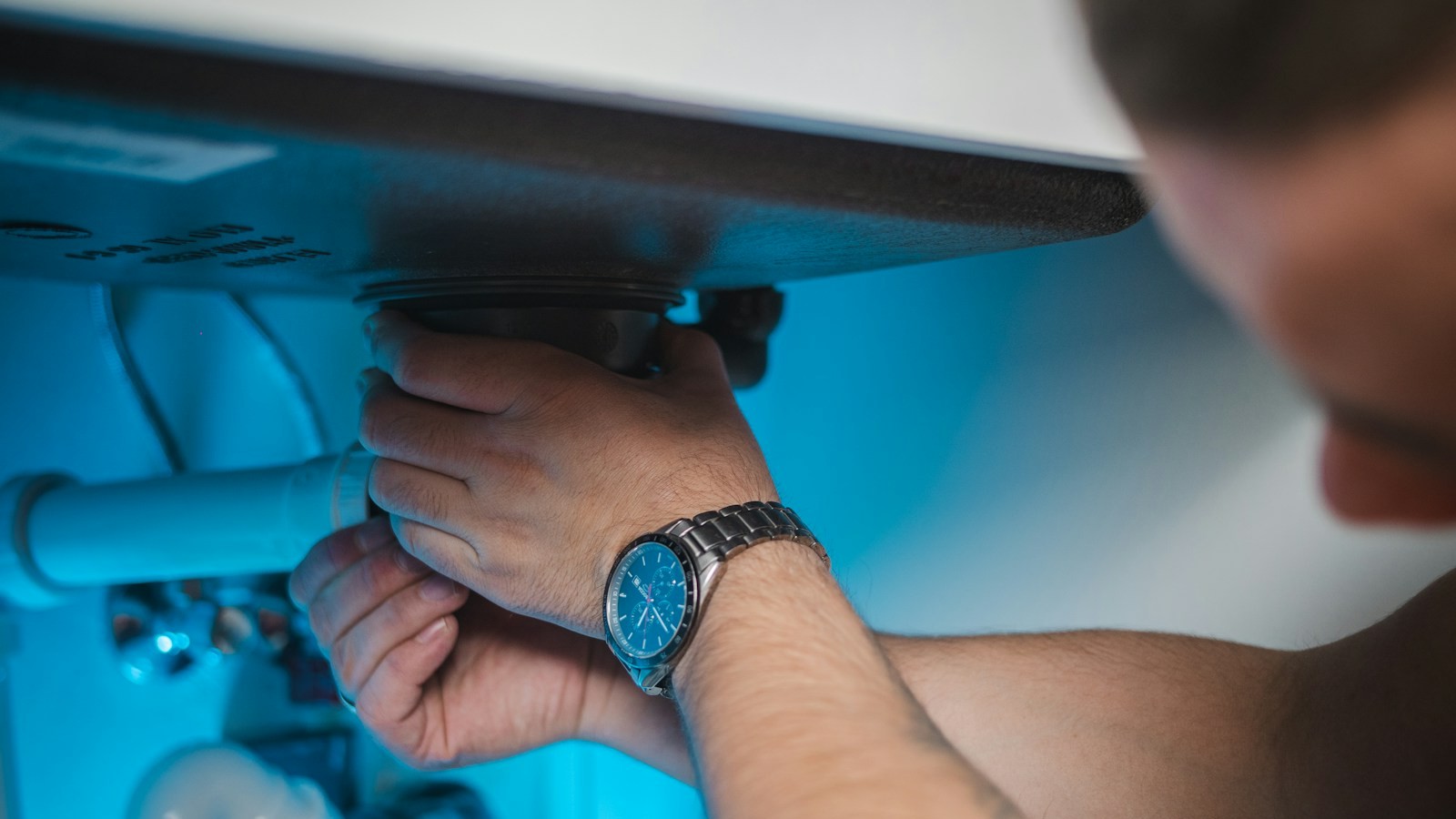
YourHandymanAtlanta.com is more than a “chuck in the truck.” We are built for the small one-hour fixes, the full-week projects, and the kind of proactive maintenance that keeps a home from becoming a series of expensive surprises.
For many people, a home is the largest investment they will ever make. But most of us treat our cars better than our houses. We schedule oil changes, rotate tires, and pay attention to warning lights. At home, maintenance often waits until something smells funny, leaks, trips, clogs, chirps at 3 a.m., or stops working entirely.
That is exactly why we created the Monthly Maintenance Plan. For $150 a month, we replace breakdown maintenance with preventative care: a preliminary two-hour visit to get to know the homeowner and the home, followed by recurring one-hour monthly visits.
What happens when you join?
During the first two-hour visit, we learn the home. We identify problem areas inside and outside, document important maintenance items, and build a working inventory of GFCIs, toilets, water heaters, water filters, HVAC filters, and other recurring service points.
After that, we complete a recurring monthly checklist and add seasonal items throughout the year. Members receive 10% off our normal $125 hourly rate. If there is a longer honey-do list at the end of a monthly service visit, extra time that day is billed at a 20% discount, just $100 an hour.
Water heaters: odor, sediment, efficiency, and flood risk
Have you ever turned on hot water and smelled rotten eggs or sulfur? That odor can be a sign of hydrogen sulfide gas, often associated with bacteria in low-oxygen water-heater environments. In most homes the smell is more of a maintenance warning than an emergency, but it is still your home telling you something needs attention.
There is also a bigger water-quality conversation. The CDC notes that Legionella risk is tied to water temperature, disinfectant levels, stagnation, and other building-water conditions. The EPA also notes that Legionella grows best in warm water ranges often associated with poorly controlled systems. Homeowners should follow local codes and use professional judgment before changing water-heater temperatures, because hotter water can increase scalding risk.
So where does maintenance come in? Sediment in the bottom of a tank can reduce capacity, force the heater to work harder, and create hot spots that shorten the life of the tank or heating elements. The Department of Energy recommends regular water-heater maintenance, including periodic flushing and anode rod inspection. That anode rod is designed to corrode so the more expensive parts of the tank do not.
Ignore a water heater completely and you are setting yourself up for higher energy use, premature failure, and the possibility of a very expensive leak. Maintain it and you improve the odds that the appliance lasts closer to its full service life.
GFCIs: the little outlet that can save your life
Water and electricity do not mix. A typical household breaker may be rated for 15 to 20 amps, but dangerous electrical current through the body can be far smaller than that. GFCI outlets are designed to detect very small imbalances in current and shut power off quickly, which is why they matter in kitchens, bathrooms, garages, exterior areas, and anywhere water may be present.
GFCIs should be tested regularly, especially after power surges. If the outlet does not trip and reset correctly, it should be repaired or replaced. It is a small maintenance item with very real safety value.
HVAC filters: cleaner coils, better airflow, less stress
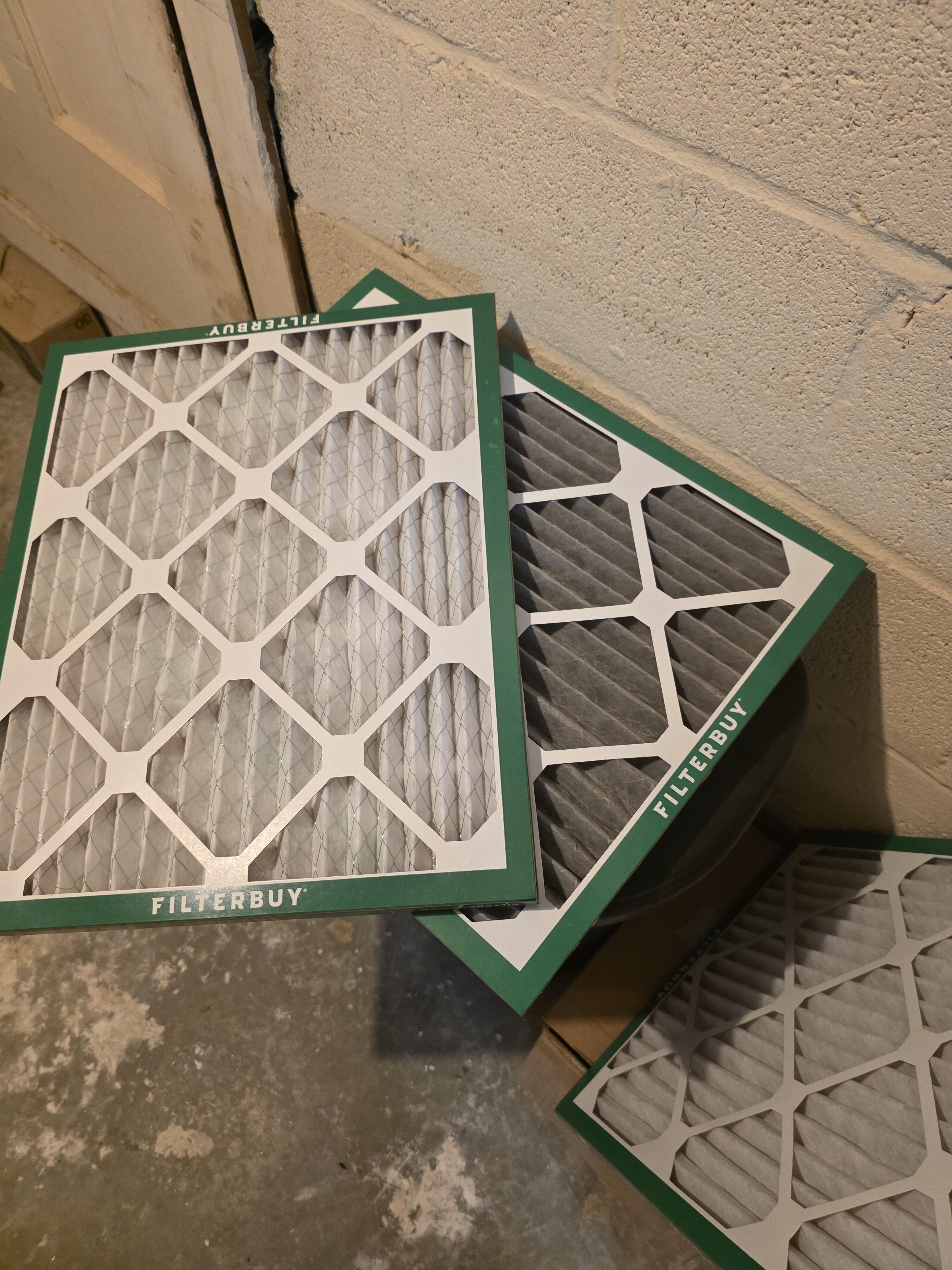
Most people know they should change HVAC filters. Fewer people know why. Standard HVAC filters primarily protect the equipment by keeping coils cleaner. They are not the same thing as a dedicated HEPA air purifier.
Filter rating matters too. A higher-MERV filter catches smaller particles, but it can also restrict airflow if the system is not designed for it. A clogged filter or overly restrictive filter makes the system work harder, run longer, and carry more stress. If you have pets or heavy dust, monthly filter checks are a smart habit.
Less restriction, cleaner coils, and proper airflow can mean better comfort, lower operating stress, and a better chance of getting the expected life out of expensive HVAC equipment.
Dryer vents, bathroom fans, and the hidden fire risks
Lint is not just annoying. The National Park Service fire-prevention guidance points to more than 15,000 dryer-related fires a year and recommends periodically cleaning the dryer vent and exhaust duct to prevent lint buildup. Bathroom exhaust fans can also collect years of dust and lint above the grille, where heat and neglected motors are a bad combination.
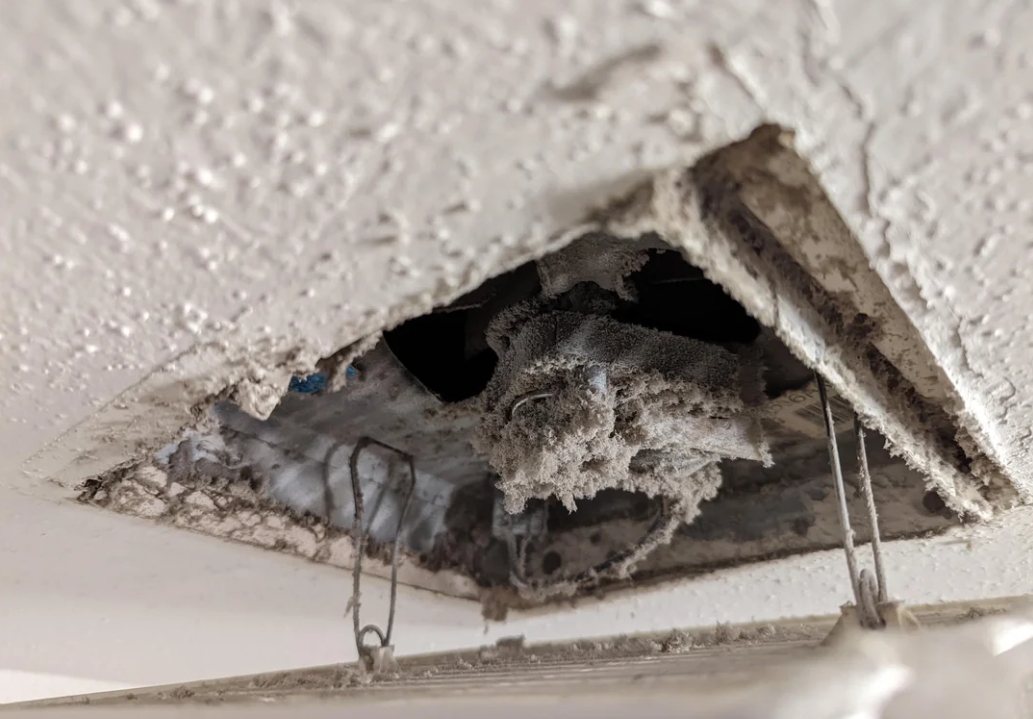
When was the last time you cleaned the bathroom “toot fan”? When was the last time the entire dryer duct was cleaned, not just the lint screen? If the honest answer is “never,” you are not alone. That is exactly why these items belong in a maintenance rhythm.
What we check every month
Every monthly visit starts with practical, repeatable work. We inspect HVAC and water filters and replace them as needed when the homeowner provides the filters. We sanitize garbage disposals, test GFCIs, adjust and lubricate doors and locks, check toilets and tighten seats, inspect under sinks for leaks, look for loose faucets, change accessible bulbs when bulbs are provided, walk the exterior for failing caulk and minor issues, inspect the attic for signs of roof leaks, and use remaining time for the homeowner’s honey-do list.
Seasonal maintenance is built in
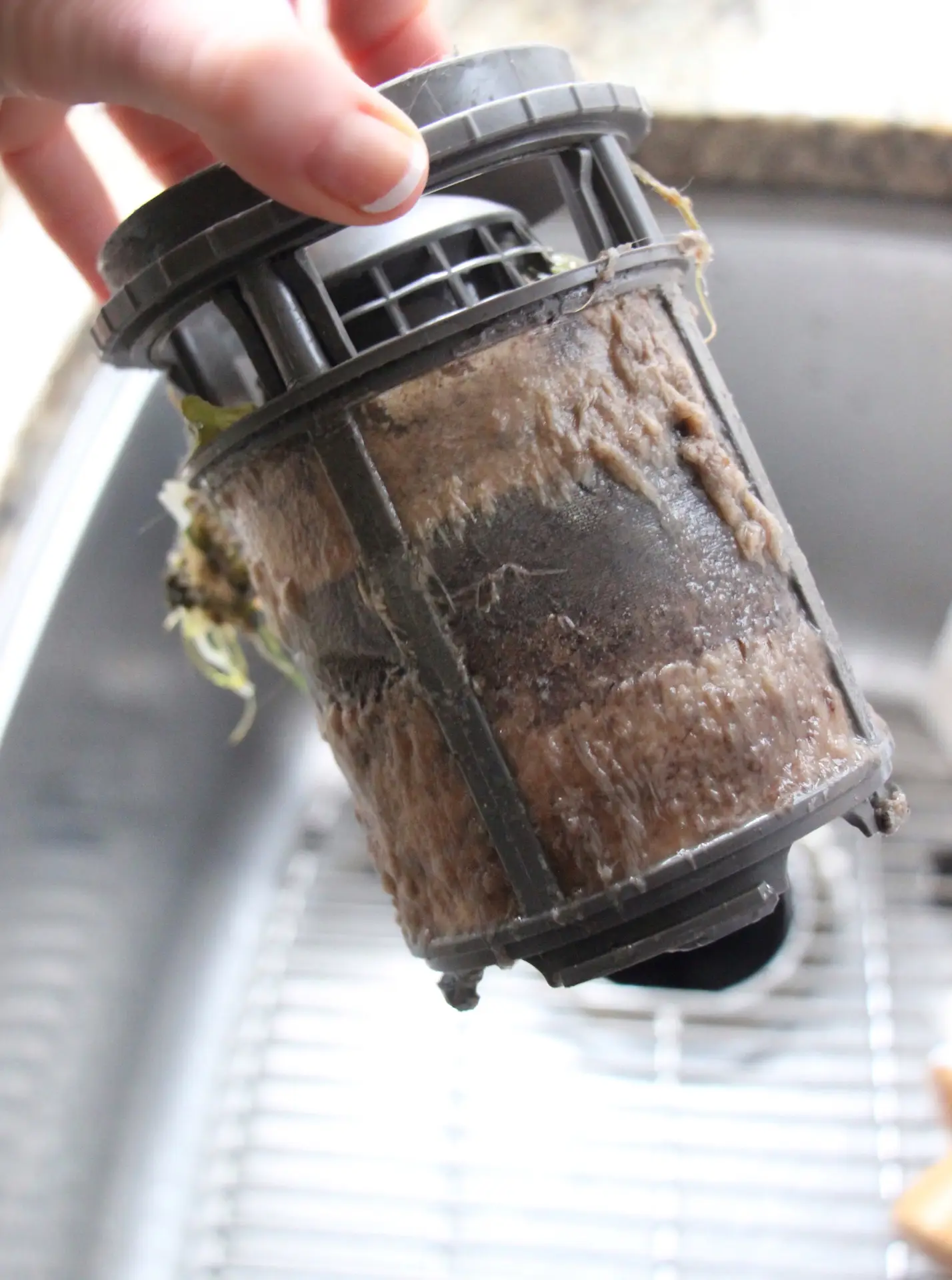
Twice a year, the plan rotates through items like cleaning faucet aerators and shower heads, flushing water heaters, performing infrared surveys to find energy-efficiency opportunities, cleaning bathroom exhaust fans and dryer ducts, vacuuming refrigerator coils, wiping down refrigerator seals, descaling dishwashers, cleaning clothes-washer drain pump filters, checking laundry supply hoses, adjusting exterior hose bib packing, and inspecting weather stripping.
Once a year, we change smoke and carbon monoxide detector batteries so the 3 a.m. chirp does not become your reminder. We also note detectors approaching their 10-year expiration, plan ahead for replacement, and address toilet flappers and fill valves to reduce the chance of leaks or running toilets.
A second set of eyes for $150 a month
The point of the Monthly Maintenance Plan is simple: common home problems are only common to people who look for them every day. For $150 a month, YourHandymanAtlanta.com becomes a recurring set of eyes on the systems, filters, fixtures, vents, outlets, leaks, seals, and small repairs that keep a house comfortable and protected.
That is the difference between a honey-do list and a honey-it’s-done list.
Helpful references: CDC Legionella water guidance, EPA Legionella indoor environment guidance, Department of Energy water-heater maintenance guidance, and dryer fire-prevention guidance.